Hey there, thanks for stopping by today! As someone who’s been in the enameled round wire game for over a decade, I’ve lost count of how many times clients have hit me up asking, “Single-layer vs multi-layer—what even’s the real difference here?” Most people hear “enameled wire” and think it’s all the same: a little insulated copper (or aluminum) wire wrapped in that thin, glossy polymer coating. Nah, not when you’re picking wire for a motor, transformer, or even a fancy guitar pickup. I’ve seen guys cut corners buying the wrong stuff and end up with overheating coils, failed tests, or worse—wait until you hear the story of the client who burned out their custom electric bike motor because they grabbed single-layer when they needed multi-layer. Let’s break this down like we’re geeking out over wiring at a workshop, no stuffy lab jargon that’ll make your eyes glaze over. Enameled Round Wire
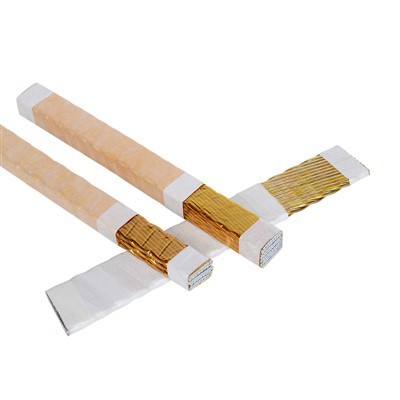
First, let’s start with basics everyone should know: what is enameled round wire, anyway? It’s just conductive wire (usually copper, sometimes aluminum for lighter, cheaper builds) coated in a thin, tough enamel film that acts as insulation. That coating is key—without it, every turn of wire touching the next would short out, and your device would do nothing at all. Now, single-layer (sometimes called “single-build”) is exactly what it sounds like: one single coat of that enamel stuff. Multi-layer is two or more coats stacked on top of each other. Sounds simple, but that tiny difference? It changes everything for how the wire performs.
Let’s talk thickness first because that’s the first obvious difference. Single-layer’s enamel is thin—like, really thin. For most standard sizes, it’s only around 20 to 50 micrometers thick. To put that in perspective, a sheet of printer paper is about 100 micrometers, so single-layer enamel is half that. Multi-layer? We’re talking 60 to 150 micrometers total, right on top. That extra thickness might not seem like a big deal, but when you’re winding tight coils (super important for transformers or small motors), that thickness adds up. Single-layer wire lets you fit more turns of wire into the same space, right? Because each wire’s outer dimension is smaller. Multi-layer is bulkier, so you’ll get fewer turns in the same area. I learned this early on: a client making tiny medical device coils would beg for single-layer because every extra turn boosted their device’s power, while a guy making a big industrial transformer needed multi-layer to handle higher voltages without arcing.
Speaking of voltages—insulation strength is where this gets real. That’s the maximum voltage a coat of enamel can handle before it breaks down and lets electricity jump through, which is called a “dielectric breakdown.” Single-layer enamel is rated for, say, 1,000 to 3,000 volts (V) per coat, depending on the type. Wait, no—wait, single’s total is usually that range, while multi-layer is higher because of all those stacked coats. Multi-layer’s dielectric strength is 2,000 to 10,000 volts total, sometimes even more if we use extra tough resins like polyimide. That’s why I always tell people: if you’re dealing with high-voltage stuff—power transformers, high-voltage power supplies, even some Tesla coils—skip single-layer. I had a client last year who tried to use single-layer wire for a 5kV transformer he was building for a renewable energy project. It arced out on the first test, fried his whole coil, and he had to rewind everything with multi-layer. Saved him a lot of frustration once he got it straight.
Next up, heat resistance. Enamel is a polymer, so it can melt or break down if it gets too hot. The temperature rating for both types is based on the resin we use, but the number of layers changes how that heat holds up. Single-layer, even the good stuff, usually maxes out around 155°C (that’s class F insulation, for anyone who cares about the standard numbers). Multi-layer can go higher—class H (180°C) or even class 200°C with polyimide coatings. Why? Because those stacked coats are denser and more resistant to thermal degradation than a single thin coat. I remember a guy who was winding motors for construction equipment—those engines get super hot, way hotter than a regular car motor. He tried single-layer at first, and after a week of testing, the insulation started cracking from the heat, leading to shorts. Switched to multi-layer class H, and his motors ran for months without issues. That’s the kind of real-world stuff you don’t read about in textbooks.
But wait, single-layer isn’t all bad. It has its superpowers, too. Like, flexibility. That thin single coat is way more bendable than thick multi-layer. So if you’re winding a small, tight coil—like a guitar pickup, a headphone speaker, or a tiny sensor—you can bend single-layer wire without cracking the enamel. Multi-layer is stiffer; if you bend it too tight, the thick coating can chip or crack, which ruins the insulation. I did a project with a luthier last year winding custom P-bass pickups. He needed that super tight, uniform winding, and single-layer was the only way—multi-layer would have been too stiff to lay evenly and would have damaged the coil when he bent it to fit in the bass body. Also, single-layer is cheaper. Less material, less time to apply a single coat, so it costs 10 to 20% less than multi-layer for the same gauge. That’s a big win for hobbyists or budget projects where you don’t need that extra voltage or heat resistance.
Wait, let’s talk about another thing: how they handle environmental stuff. Like, chemicals, moisture, abrasion. Single-layer is more prone to abrasion—if two wires rub together in a coil, that thin enamel can wear through fast, leading to shorts. Multi-layer’s thick, stacked coats are way more resistant to rubbing. That’s important for motors where the coils shake and vibrate all the time. Also, moisture: single-layer enamel might soak up a little moisture over time, which lowers its insulation strength. Multi-layer’s dense coating is a better barrier against moisture, so it’s more reliable for outdoor use or wet environments. I’ve seen outdoor transformers with single-layer wire fail after a year from moisture getting into the thin coating, while multi-layer ones have lasted 10+ years no problem.
But hold on, there’s a middle ground? Wait, not really. It’s binary—single or multi. The only nuance is that multi-layer can have different numbers of coats, like two vs four, which changes the thickness and voltage rating. But the core difference is the number of enamel coats. Let’s also clear up a common myth: people think multi-layer is always better, but no. If you don’t need that extra voltage or heat resistance, paying more for multi-layer is just wasting money. And if you need tight winding or flexibility, multi-layer will hold you back. I’ve had clients come in asking for multi-layer for small hobby projects, and I always tell them to save their cash—single-layer works just as well, and they won’t notice a difference in performance.
Another real-world example: a guy who made e-cigarette heating coils. Wait, he used super fine single-layer wire because it’s thin, can be wound tightly, and handles the lower voltage and heat of his device. If he used multi-layer, the extra thickness would make the wire too big, and the coil wouldn’t heat evenly. That’s a perfect case for single-layer. On the flip side, a manufacturer of industrial welding transformers needs multi-layer because they deal with high currents and constant heat, so the thick insulation and higher temperature rating are non-negotiable.
So, how do you pick which one you need? Let’s make it simple, no fancy charts. Ask yourself three questions: 1. What voltage is my device going to handle? If it’s under 3,000V, and low to medium heat, single-layer works. If it’s over 3,000V or runs hot, go multi-layer. 2. Do I need to wind tight, small coils? If yes, single-layer’s thin thickness lets you fit more turns and bend easier. 3. What’s my budget? Single-layer is cheaper, so go that route if you don’t need the extra performance.
Wait, but what about quality? Not all single-layer or multi-layer is the same, right? I’ve seen cheap single-layer wire that’s way thinner than standard, which has bad insulation. And cheap multi-layer might use low-quality resin that cracks under heat. That’s why working with a supplier who knows their stuff matters—like, not just selling you wire, but helping you pick the right type for your project. I always tell clients: don’t just grab the cheapest wire, think about what your device needs. The extra 15% you spend on multi-layer for a high-voltage transformer is nothing compared to the cost of redoing a failed project.
Let me wrap this up before I start rambling about resin types (we can save that for another post). The key takeaways: single-layer is thin, flexible, cheap, good for low-voltage, tight coils. Multi-layer is thick, tough, higher voltage/heat resistance, better for industrial or high-stress applications. It’s not a “better vs worse” thing—it’s a “right tool for the job” thing. I’ve seen so many people mix these up and end up with headaches, but once you know the differences, picking the right one is easy.

If you’re working on a project—whether it’s a custom motor, a guitar pickup, a power transformer, or whatever—and you’re not sure which wire you need, hit me up. I’ve spent years helping guys (and gals) get the right enameled wire for their builds, no salesy nonsense, just real advice based on what actually works. No pressure, just tell me what you’re making, the specs, and I’ll point you in the right direction. Don’t waste time and money on the wrong wire—let’s get your project wired correctly from the start.
Flat Wire Winding References
- Enameled Round Wire: Properties and Applications. National Electrical Manufacturers Association (NEMA), 2021.
- Thermal Classification of Electrical Insulation. International Electrotechnical Commission (IEC), 2018.
- Dielectric Strength of Insulating Materials. Institute of Electrical and Electronics Engineers (IEEE), 2020.
- Wire Winding Design for Electrical Components. John Wiley & Sons, 2019.
Tianjin Jingwei Power Technology Co., Ltd.
As one of the most professional enameled round wire manufacturers and suppliers in China, we’re featured by quality products and good service. Please rest assured to buy durable enameled round wire made in China here from our factory. Contact us for more details.
Address: No.1 Chuangxin Rd. Xiaozhan Industrial Park, Jinnan District, Tianjin, China
E-mail: info@jwdc.cn
WebSite: https://www.jw-dcs.com/
