As a supplier of disc-lock scaffolding accessories, I get this question all the time from builders, site managers, and maintenance teams: Do these components need special upkeep? Let’s cut through the noise here—disc-lock scaffolding is lauded for its speed and load capacity, but that performance only holds if you’re treating the right parts the right way. From my years on the job, special maintenance isn’t just a nice-to-have; it’s what prevents costly on-site failures. I’ll break down what makes disc-lock accessories unique, why their maintenance differs from traditional scaffolding, and the routine checks that keep projects safe. Disc-lock Scaffolding Accessories
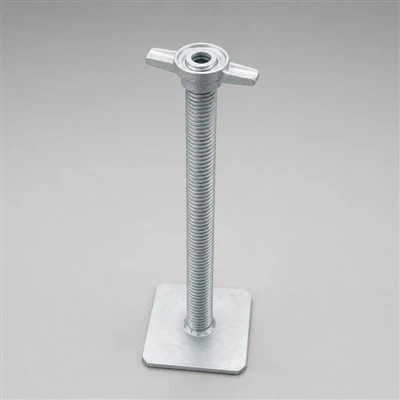
First, let’s get a quick refresher on how disc-lock scaffolding works, because that’s where the maintenance specifics start. Unlike couplers that rely on bolts or pins to secure joints, disc-lock systems use steel discs welded to upright poles, with corresponding locks on ledgers and transoms that slip into those discs and click into place. That welded disc joint is the core strength here—wait times for assembly drop by half, and load ratings are consistent across joints. But those discs, locks, and the small wedge pins that hold everything tight have design quirks that don’t exist in traditional scaffolding parts. That’s why a quick once-over that works for standard couplers won’t cut it for disc-lock accessories.
Take the disc itself, for example. It’s a heavy-duty steel plate, but it’s exposed. On construction sites, it’s not uncommon to see disc surfaces coated in cement splatter, rust, or even debris from a nearby demolition—all of which can mess with the lock’s grip. When a ledger lock slips into a dirty disc, it can seat unevenly, which means the joint doesn’t lock properly. Last year, we had a builder call us after a small scare at a residential high-rise site: one ledge joint came loose during a wind gust, and the root cause? Their team had power-washed the scaffolding but left cement caked on the discs, so the wedge pin couldn’t click all the way into the lock’s notch. That’s exactly why special maintenance matters—you’re not just cleaning the part, you’re preserving its functional geometry.
Now, what about the wedge pins? Those tiny steel pieces that lock the ledger into the disc are easy to overlook, but they’re workhorses. I’ve seen sites where pin tips are bent, or coated in rust, or even missing entirely because someone knocked them off during teardown. Traditional scaffolding relies on bolts that stretch or wear, but wedge pins are under constant shear every time the scaffolding is loaded. If a pin is worn down just 1mm, that’s enough to compromise the joint’s load rating. A routine visual check that just “looks for pins” won’t catch that—you have to measure their diameter and check for deformation, which is a step you don’t need for a standard scaffolding pin. That’s another special maintenance task that’s specific to disc-lock accessories.
Rust is another big one for disc-lock parts, and it’s not just cosmetic. The discs, locks, and pins are usually hot-dip galvanized for corrosion resistance, but that coating can get chipped or scratched during transport or assembly. On sites near saltwater or in high-humidity climates, that tiny scratch turns into rust that spreads fast. Once rust gets into the disc’s slots or the lock’s internal mechanism, it can stop the pin from seating correctly. We’ve had customers who tried to patch chipped galvanization with regular paint, but that doesn’t work—you need a zinc-rich primer to re-coat the area, because it’s the zinc that protects the steel underneath. If you use a standard paint, it can trap moisture and make the rust worse. That’s a specific maintenance step for disc-lock accessories, not a one-size-fits-all fix.
Let’s talk about storage too, because that’s where a lot of maintenance issues start after a project wraps. Disc-lock scaffolding parts are often stacked haphazardly on-site pallets, with heavy ledgers sitting on top of discs or locks. Over time, that can bend the discs out of shape—just a 2mm bend is enough to make the lock slip. We recommend that our customers store disc-lock accessories upright, either on custom racks we sell (or, if they’re on a tight budget, just on their side with no weight on the discs). Also, don’t store them on dirt or grass—moisture seeps up and causes rust on the uncoated parts of the pins. I’ve seen a whole batch of wedge pins go bad because a site team stacked them on the ground after a rain, and the bottom pins were submerged in mud overnight. That’s avoidable with just a little extra care, and it’s specific to these parts because of how their weight is distributed during storage.
Now, let’s get into the common misconception some of our customers have: they think because disc-lock is a “set-it-and-forget-it” system, it doesn’t need regular maintenance. That’s the kind of mistake that leads to safety inspections flagging your scaffolding as non-compliant, or worse, an accident. OSHA and similar global standards don’t single out disc-lock systems for extra rules, but the parts do have specific upkeep requirements that you can’t ignore. For example, during each shift, you should do a quick check: tap each disc with a hammer to make sure the lock is seated, wiggle each ledger to see if there’s play, and make sure all wedge pins are present. On traditional scaffolding, you might just check a few bolts, but disc-lock needs every joint verified because of how the lock mechanism works. I’ve had a few projects where a missing wedge pin went unnoticed for a week, until a safety inspector caught it. That’s a preventable mistake if you’re following the right maintenance steps.
What about repairs? Can you fix a worn disc or lock, or do you have to replace it? Our team always advises replacing damaged parts, but sometimes a small scratch on a disc is fine as long as the functional slots aren’t worn. If a disc’s notch where the pin seats is worn down more than 10% of its original size, you can’t repair it—you have to replace it. The same goes for locks: if the internal groove that holds the pin is distorted, there’s no way to fix it without custom machining, which is cheaper and faster than just buying a new part. That’s another special point for disc-lock accessories—their repair rules are stricter than standard scaffolding parts, because the joint integrity is tied directly to that lock and disc interface.
Let me share a real example from a client in the Southeast, where humidity and occasional coastal salt air make corrosion a constant issue. They had a 12-story hotel project that ran for 18 months, and their maintenance team was checking the disc-lock parts every month. They’d remove any cement splatter with a wire brush (not a grinder, which can scratch the galvanization and make rust worse), lubricate the wedge pins with a light, food-grade grease (wait, food-grade? Yes—because if any grease drips onto the building’s materials, it can cause stains that cost extra to fix), and re-coat any chipped galvanization with zinc primer. At the end of the project, when they stripped the scaffolding, almost all the parts were reusable. Compare that to another project in the same area that skipped the monthly checks: their parts had 40% more rusted pins, and a dozen discs were bent beyond repair, adding thousands to their disposal and replacement costs. That’s the value of special maintenance—less waste, fewer replacements, and a safer site.
Another thing to consider: disc-lock accessories have a longer service life than traditional parts, but only if you maintain them. We sell parts that are 10+ years old that still work perfectly, but that’s because the original owners took care of them. I’ve seen parts that are just 5 years old that are too rusted to use, because the storage and on-site maintenance was bad. The key is staying on top of small issues before they become big ones. It’s way easier to brush a disc clean once a month than to replace it after it’s rusted through.
Now, let’s clear up something that comes up a lot: lubrication. Do you need to lubricate disc-lock joints? A lot of people say no, because traditional scaffolding doesn’t use lubrication, but that’s not true for disc-lock. The wedge pin needs a small amount of lubrication to move smoothly into the lock. But you have to use the right kind—heavy grease will attract dirt and debris, which then gets trapped between the pin and disc and causes wear. Light, non-corrosive grease is the way to go. Too little lubrication, and the pin can seize up; too much, and you get mess and damage. That’s a specific maintenance step that you won’t find in traditional scaffolding guidelines, because those parts don’t rely on a sliding pin to secure joints.
What about transport? When you’re moving disc-lock accessories between sites, that’s another time maintenance can slip. A lot of times, parts are tossed into the back of a truck, leading to bent discs, scuffed locks, and lost wedge pins. If you’re loading parts, tie down pallets properly, so parts don’t slide around. If you’re removing parts, place each component gently onto pallets, not drop them. We’ve had customers who tell us they have to replace 10% of their parts every time they move a job site, and that’s almost always from rough transport. A little care during transport counts as part of special maintenance, because it prevents damage before you even get to the site.
Let’s wrap this up with what I tell all our customers: do disc-lock scaffolding accessories require special maintenance? Yes, but it’s not complicated. It’s a few simple steps that take 10 minutes a day, and they save you time, money, and stress on-site. The goal is to preserve the functional parts that make disc-lock scaffolding work—those discs, locks, and wedge pins. Skip the deep cleans, ignore the rust spots, or skip checking every pin, and you’re setting yourself up for problems.

If you’re a builder, site manager, or project coordinator and you’re looking for reliable disc-lock scaffolding accessories, or you need more tips on maintaining the parts you already have, get in touch with our team to discuss your specific project needs. We’re here to help keep your scaffolding safe, compliant, and long-lasting.
Scaffold References
- Occupational Safety and Health Administration (OSHA). Scaffolding General Requirements. 29 CFR Part 1926, Subpart L.
- European Committee for Standardization (CEN). BS EN 12811-1: Temporary works equipment – Part 1: Scaffolds – Performance requirements and general design.
- International Association of Scaffolding, Shoring and Forming (IASSF). Disc-Lock Scaffolding Maintenance Best Practices. 2022.
- Hot-Dip Galvanizers Association (HDGA). Zinc Coating Maintenance for Steel Construction Components. 2021.
Hebei Shuangtai Mold Frame Technology Co., Ltd.
Hebei Shuangtai Mold Frame Technology Co., Ltd. is one of the most professional disc-lock scaffolding accessories manufacturers and suppliers in China. With abundant experience, we warmly welcome you to wholesale cheap disc-lock scaffolding accessories from our factory. If you have any enquiry about customized service, please feel free to email us.
Address: Nanluzhuang Industrial Zone, Majiawu Town, Renqiu City, Cangzhou City, Hebei Province
E-mail: 1297629160@qq.com
WebSite: https://www.stscaffoldng.com/
