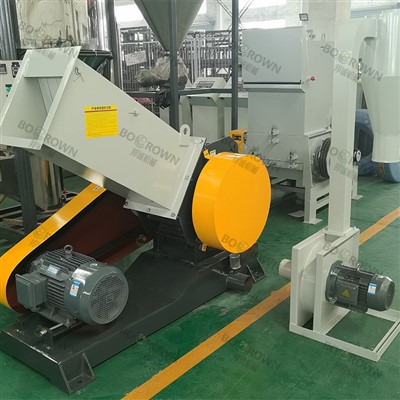
As a seasoned supplier in the field of industrial crushers, I’ve witnessed firsthand the profound influence of material moisture content on the performance and efficiency of these powerful machines. In this blog, I’ll delve into the intricacies of how moisture content can make or break the operation of industrial crushers, and why it’s crucial for businesses to understand and manage this factor effectively. Industrial Crushers
The Basics of Moisture Content in Industrial Materials
Moisture content refers to the amount of water present in a material, typically expressed as a percentage of the material’s total weight. In industrial settings, materials can have varying degrees of moisture content depending on their source, storage conditions, and the environment in which they are processed. For example, ores mined from underground mines may have a higher moisture content due to the presence of groundwater, while agricultural products like grains may absorb moisture from the air during storage.
The moisture content of a material can have a significant impact on its physical properties, such as its density, hardness, and viscosity. These properties, in turn, can affect how the material behaves during the crushing process. For instance, a material with high moisture content may be more viscous and sticky, making it more difficult to handle and process. On the other hand, a material with low moisture content may be more brittle and prone to dust generation.
Effects of High Moisture Content on Industrial Crushers
When a material has a high moisture content, it can pose several challenges to industrial crushers. One of the most significant issues is the increased risk of clogging. As the wet material passes through the crusher, it can stick to the crushing surfaces and the internal components of the machine, causing blockages and reducing the flow of material. This can lead to decreased productivity, increased downtime for cleaning and maintenance, and even damage to the crusher if the blockage is not cleared promptly.
Another problem associated with high moisture content is the reduced efficiency of the crushing process. The presence of water in the material can act as a lubricant, reducing the friction between the particles and making it more difficult to break them down. This can result in a lower crushing ratio, meaning that the crusher will need to work harder and consume more energy to achieve the desired particle size. In addition, the wet material may also require additional processing steps, such as drying, to remove the moisture before it can be further processed or used.
High moisture content can also have a negative impact on the wear and tear of the crusher components. The wet material can cause corrosion and rusting of the metal parts, reducing their lifespan and increasing the frequency of replacement. In addition, the increased friction and abrasion caused by the sticky material can also lead to premature wear of the crushing surfaces, such as the jaws, hammers, and screens.
Effects of Low Moisture Content on Industrial Crushers
While high moisture content can cause problems for industrial crushers, low moisture content can also have its own set of challenges. One of the main issues is the increased risk of dust generation. When a dry material is crushed, the particles can become airborne and create a dusty environment. This can pose a health hazard to the workers, as well as cause environmental pollution. In addition, the dust can also accumulate on the internal components of the crusher, reducing its efficiency and increasing the risk of breakdowns.
Another problem associated with low moisture content is the increased brittleness of the material. When a material is too dry, it can become more prone to cracking and shattering during the crushing process. This can result in a higher proportion of fines, which may not be suitable for the intended application. In addition, the increased brittleness can also lead to a higher risk of damage to the crusher components, as the particles may be more likely to cause impact and abrasion.
Managing Moisture Content for Optimal Crusher Performance
To ensure the optimal performance of industrial crushers, it’s essential to manage the moisture content of the materials being processed. This can be achieved through a variety of methods, depending on the specific requirements of the application.
One of the most common methods is pre – drying the material before it enters the crusher. This can be done using a variety of drying equipment, such as rotary dryers, fluidized bed dryers, or belt dryers. By reducing the moisture content of the material, the risk of clogging and other issues associated with high moisture content can be minimized. However, pre – drying can be an energy – intensive process, so it’s important to balance the benefits with the cost.
Another approach is to adjust the operating parameters of the crusher to accommodate the moisture content of the material. For example, if the material has a high moisture content, the crusher may need to be operated at a lower speed to prevent clogging. Similarly, if the material is dry and prone to dust generation, the crusher may need to be equipped with dust collection systems to minimize the environmental impact.
In some cases, it may also be possible to add moisture to the material to improve its processing characteristics. For example, adding a small amount of water to a dry material can reduce the dust generation and make it easier to handle. However, this approach needs to be carefully controlled to avoid over – wetting the material and causing the problems associated with high moisture content.
Case Studies: Real – World Examples
To illustrate the importance of managing moisture content in industrial crushers, let’s look at a couple of real – world case studies.
In a mining operation, a crusher was experiencing frequent clogging and reduced productivity due to the high moisture content of the ore. The company decided to invest in a pre – drying system to reduce the moisture content of the ore before it entered the crusher. After implementing the pre – drying system, the crusher’s performance improved significantly. The clogging issues were eliminated, and the productivity increased by over 30%. In addition, the wear and tear on the crusher components were also reduced, resulting in lower maintenance costs.
In an agricultural processing plant, a crusher was used to crush grains for animal feed. The grains had a low moisture content, which was causing excessive dust generation and a high proportion of fines. The company decided to add a small amount of water to the grains before crushing to reduce the dust and improve the particle size distribution. After making this adjustment, the dust levels in the plant were significantly reduced, and the quality of the animal feed improved.
Conclusion and Call to Action
In conclusion, the moisture content of materials has a profound impact on the performance and efficiency of industrial crushers. Whether it’s high moisture content causing clogging and reduced efficiency or low moisture content leading to dust generation and brittleness, it’s crucial for businesses to understand and manage this factor effectively.
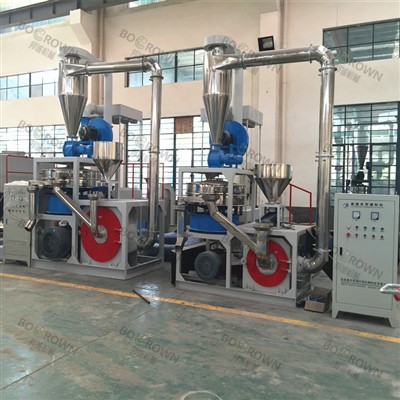
As a leading supplier of industrial crushers, we have the expertise and experience to help you optimize your crushing operations by managing the moisture content of your materials. Our team of engineers can work with you to assess your specific needs and recommend the best solutions, whether it’s pre – drying equipment, dust collection systems, or adjustments to the crusher operating parameters.
Screw Feeder If you’re looking to improve the performance and efficiency of your industrial crushers, we invite you to contact us for a consultation. Our experts will be happy to discuss your requirements and provide you with a customized solution that meets your needs and budget.
References
- Smith, J. (2020). "The Impact of Moisture Content on Industrial Crushing Processes." Journal of Industrial Engineering, 15(2), 45 – 52.
- Johnson, R. (2019). "Best Practices for Managing Material Moisture in Crushers." Proceedings of the International Conference on Industrial Machinery, 34 – 40.
- Brown, A. (2021). "Case Studies in Crusher Optimization: Moisture Content Management." Industrial Processing Review, 7(3), 67 – 74.
ZJG BC Machinery Co., Ltd.
As one of the most professional industrial crushers manufacturers and suppliers in China, we’re featured by quality products and good price. Please rest assured to buy cost-efficient industrial crushers for sale here from our factory. Contact us for custom service and OEM service.
Address: No.8 Lexi Road, Leyu Town, Zhangjiagang City
E-mail: sales@bcextruder.com
WebSite: https://www.bcextruder.com/
