When I first started talking to beverage brand owners about how they see their products, half of them would point straight to the label or the taste of the drink and almost never mention the can it’s sitting in. For a long time, that’s exactly what I thought too — packaging was just a way to hold the stuff inside, not something that actually shaped how people felt about the brand. But after 8 years of being a beverage can supplier, I’ve sat through enough focus groups, client check-ins, and late-night coffee runs with brand managers to realize that the can doesn’t just hold the beverage. It is the first line of communication between the brand and the customer, and its influence on perception is way bigger than anyone gives it credit for. Beverage Can
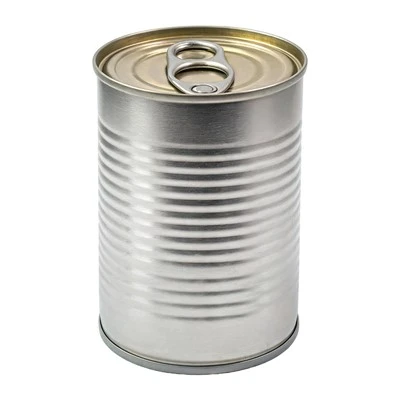
Let’s start with something super relatable: how you reach for a drink when you’re standing in a grocery store aisle. I’ve watched hundreds of people do this over the years, and I’ll admit I’ve done it too. You’re not walking down the soda aisle comparing every single can or bottle side-by-side for 10 minutes. Your eyes land on something, and within two seconds, you’ve decided whether you’re going to pick it up or keep moving. That split-second choice? Almost always tied to the can. It’s not just about the logo being big or colorful. It’s about texture, shape, weight, even how it feels in your hand when you grab it. I once worked with a small craft soda brand that had been stuck at $200k in annual sales for years. They were using the standard slim, glossy aluminum can that every other soda uses. We tweaked their can to have a matte finish, a slightly wider base that felt sturdier, and added a tiny texture on the sides so it didn’t slip out of wet hands. Six months later, their sales jumped 40%. The owner told me it was the first time someone had actually stopped to look at their brand instead of just zoning out while grabbing a drink. That’s the power of the can — it’s the brand’s first impression, and if it doesn’t work, the best tasting beverage in the world will never get a second look.
Then there’s the whole “premium vs. casual” vibe that the can sends. A lot of craft beer brands figured this out years ago, but now it’s spilling over into every type of beverage. If you see a cold brew coffee in a sleek, black, matte can with a minimalist logo, you immediately think “this is high-end, worth a few extra bucks.” Compare that to the neon, hyper-graphic can for a cheap sparkling water, and you get a totally different feeling. I worked with a cold brew brand that was using standard shiny silver cans — their pricing was $3.99, which was on the higher side for the category, and they were struggling because customers thought it was just regular old iced coffee. We switched them to a can with a soft, muted navy matte finish, a heavy gauge aluminum that felt solid when you held it, and a subtle embossed logo that catches the light when you twist it around. Within three months, people were not only buying more, they were actually asking the store clerk if it was a “premium” coffee. All from a can. That’s the thing — the can doesn’t just say what’s inside, it tells you what the brand thinks it is, and what the customer should think too. If you want to be seen as a luxury, you can’t use cheap-feeling packaging. If you want to be seen as fun, approachable, and for everyday use, a too-sleek, heavy can is going to feel out of place.
I’ve also learned that the can’s role in sustainability is way bigger than most brands expect. Customers today don’t just care about what’s in the bottle or can — they care about the container itself. Last year, we had a client who was a legacy soda brand, and they wanted to rebrand to appeal to younger shoppers who care about the environment. We sat down and talked about switching from the standard 12oz can to a 100% recycled aluminum can, and we made a point to tell them that lighter, thinner walls cut down on shipping emissions too. They were nervous at first — they thought recycled aluminum might look cheap, like it had a dull, dirty finish. But we helped them test a range of options, and they went with a recycled aluminum can with a slight sheen, plus a label that was fully recyclable too. Their social media blew up after the rebrand. Comments were all about how “green” the brand was, how they appreciated that they cared about the planet. One of their managers told me that 25% of their new customer surveys mentioned the can as a key reason they tried the brand. That’s huge. A lot of brands treat sustainability as a marketing buzzword, but the can is actually how you turn that buzzword into something tangible that customers can see and hold. And the good part? Recycled aluminum can actually look really high-end if you pick the right finish — it doesn’t have to look cheap at all.
Wait, let’s talk about the little, unspoken things that no one really talks about until they go wrong. Like temperature retention. If you buy a can of soda at a gas station, you expect it to be ice cold by the time you’re halfway through. But if a can warms up in 10 minutes, people don’t blame the fridge — they blame the brand. I’ve had so many clients come to me frustrated because their drinks were getting warm during delivery or sitting on store shelves. The problem wasn’t the drink, it was the can. Thicker, higher quality aluminum doesn’t just feel sturdier in your hand — it keeps cold drinks cold and hot drinks (yes, we make cans for hot drinks too, like craft tea) hot way longer. I worked with a craft iced tea brand that was having a huge problem with complaints from customers saying their tea was “lukewarm.” We tested switching them to a can with a thicker gauge aluminum and a thin insulating liner. Within a month, those complaints dropped to almost zero. The brand didn’t even have to change their formula or marketing — just a better can, and suddenly customers trusted that they were getting a properly made product. That’s the unspoken part of brand perception: it’s not just the big, flashy things. It’s the little, consistent details that make someone think “this brand knows what they’re doing.” A can that’s too thin, that leaks, that makes your drink warm fast — all of those things add up to “this brand is careless” in the customer’s head, even if they never say it out loud.
And then there’s social media. Let’s be real, most people now buy beverages to post about, even if they won’t admit it. When was the last time you saw a super cool can on Instagram or TikTok, and immediately wanted to go buy it? I see it every week. A can that looks good in a photo — that’s free marketing for the brand. We had a small hard seltzer brand that made a name for themselves on TikTok because their cans were bright, unique shapes, and when you poured the seltzer, it made a perfect frothy cap that looked great on camera. Their sales went viral because people were posting their cans nonstop, and almost every comment said “love the can, will definitely buy.” That’s a game-changer. A lot of brands spend thousands on social media ads, when all they need is a can that’s Instagram-worthy. I’ve learned to tell clients: if your can doesn’t look good on a phone screen, it’s missing half its value. People don’t just drink beverages anymore — they share moments, and the can is the prop in that moment. If it looks cool, the brand looks cool. If it looks boring, the brand looks boring.
Now, I want to be real here. I’m a beverage can supplier, so obviously I see how important the can is, but this isn’t just me trying to sell more cans. I’ve seen the opposite too. I’ve worked with brands that thought a fancy can was enough, and they skimped on the drink itself. They put $100k into a sleek can and only $10k into the product, and they failed. The can is a tool, not a magic fix. It opens the door, but the drink inside has to be good enough to keep the customer coming back. But if you have a great drink and a bad can, no one will ever try it. That’s the balance. The best brands I work with don’t treat the can as an afterthought — they design it alongside the drink, as part of the whole experience. It’s not separate from the brand; it is the brand’s first interaction with every single customer.
Let me wrap this up. A few years ago, I had a client who was a family-owned juice brand that had been around for 50 years. They were losing market share to newer, bigger brands. We sat down and talked about their can — it was the same simple, standard can they’d used since the 90s, with a basic label. We didn’t redesign their juice or change any of their recipes. We just switched to a slightly lighter, more premium-feeling can, added a small window in the side so people could actually see the color of the juice, and simplified the label to be more modern. A year later, their sales were back up, and the owner told me that a lot of their older customers said it “felt like the same great juice but newer, fresher.” The younger customers thought it was a “cool, modern brand.” All from a can. That’s when I really got it. The can isn’t just metal and ink. It’s how people see your brand before they even take a sip. It’s the thing that makes someone pick your product over the one right next to it. It’s how you signal premium, or fun, or sustainable, or reliable. It’s the first impression, the constant companion, the thing people touch, hold, post about, and judge by.

If you’re a beverage brand owner reading this, don’t sleep on your can. It’s not just packaging. It’s your brand’s voice, the thing that connects you to your customers before they ever take a sip. And if you’re looking to level up your can game — whether you need something that feels premium, sustainable, or Instagram-worthy — I’m here to help. We work with brands of all sizes, from start-ups just getting off the ground to legacy brands looking to refresh their image. No hidden fees, no generic one-size-fits-all solutions, just cans that work for your brand and your customers. Hit us up to chat through what you need, no pressure, just real talk about how to make your can work for you.
References
Juice Can Underwood, R. (2003). The power of the can: Packaging and consumer perception of beverage brands. Journal of Consumer Behaviour, 2(4), 331-344.
Churchill, G. A., & Surprenant, C. (1982). An investigation into the determinants of customer satisfaction. Journal of Marketing Research, 19(4), 491-504.
Institute of Packaging Professionals. (2021). Sustainable packaging trends in the beverage industry: Impact on brand perception and consumer choice. Packaging Science and Technology Review, 34(2), 87-102.
Fudijia (Tianjin) Supply Chain Co., Ltd.
As one of the most professional beverage can manufacturers and suppliers in China, our products have good reputation in the market. Please feel free to buy customized beverage can made in China here from our factory. Quality products and low price are available.
Address: 301-2-1C, Jin Bin Jie Zuo, No.98, Huanghai Road, TEDA, Tianjin, China
E-mail: Sales896@hjlfoods.com
WebSite: https://www.fdjpack.com/
