Hey everyone, thanks for stopping by my little corner of the web! I’m Jake, part of the team that supplies suspended ceiling gypsum boards—you know, the stuff that turns those droopy, industrial-looking ceilings into something actually nice to look at. Lately, I’ve been getting so many DMs and calls from folks asking the same question: “Can I install your suspended ceiling gypsum board in a room with exposed pipes?” Suspended Ceiling Gypsum Board
Let me start by saying I get it. Exposed pipes aren’t just a “guy thing” in a basement—they’re in coffee shops, apartment rentals, home offices, even some bathrooms. They serve a purpose, right? You can see if there’s a leak before it turns into a disaster, and plumbers don’t have to tear out whole ceilings to fix a simple clog. But when you’re trying to make a space feel polished instead of unfinished, those pipes can feel like a big ol’ eye sore. So let’s break this down, no jargon, no weird sales pitches—just the straight goods from someone who’s been selling these boards for 8 years and has seen every scenario you can imagine.
First off, the short answer: Yes, you absolutely can. But it’s not as simple as just slapping some gypsum board over the pipes and calling it a day. You’ve gotta plan a little, and that’s where I see most people (and even some contractors) mess up. Let’s start with the basics of what suspended ceiling gypsum board actually is, for anyone who’s new here. These are pre-cut panels—usually 4×8 feet, though we do custom sizes too—made from gypsum core sandwiched between paper faces. They’re lightweight, easy to work with, fire-resistant, and way cheaper than drywall for ceiling applications. Perfect for offices, retail spaces, and even homes if you want to save on installation time.
Now, when you have exposed pipes, the biggest thing you have to consider is clearance. The building code (I’m talking US standards here, since that’s what I deal with) requires at least 1.5 inches of space between any object and the suspended ceiling board. Why? Because if you ever have to access those pipes—say, a leak or a water heater issue—you can just pop a panel out, no tearing, no damage. I’ve seen guys try to “shim” the board down to cut corners, and by the time the plumber shows up, they’re panicking because they can’t get to the pipe. Don’t do that. It’s not worth the hassle, and it’ll cost you more in the long run.
Wait, but what if you have pipes that stick out more than that? Like, the main water line or a sewer line that’s bulkier? That’s where custom cuts come in. We can cut our gypsum boards to fit around any pipe configuration, no problem. A lot of people don’t realize that suspended ceiling panels aren’t one-size-fits-all. Our team can cut circles, notches, whatever you need, so the board sits flush without touching the pipe. I’ve worked on a coffee shop in Brooklyn where they had three 6-inch waste pipes running across the main floor—we cut each panel to have 2-inch notches for the pipes, and it looked seamless when we were done. The owner loved it because he could still get to the pipes if needed, and his customers never even noticed there were pipes up there.
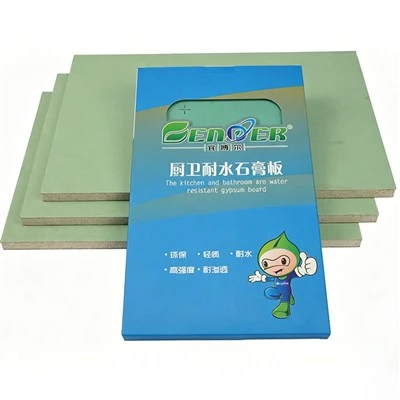
Another big thing: moisture resistance. If the pipes you’re working with are in a bathroom, basement, or laundry room, you need to make sure you use the right type of gypsum board. Regular gypsum board is fine for dry spaces, but if there’s any chance of moisture (like a leaky pipe), you need to go with moisture-resistant (MR) gypsum board. It’s a little pricier, but it’s designed to handle dampness without warping or getting moldy. I had a customer in Chicago who installed regular boards over his basement pipes, and within a year, a small leak from a hot water line made the ceiling sag. He ended up having to rip it all out and replace it with MR boards—so save yourself the headache and just get the right one from the start.
Fire resistance is another point, especially if you’re working in a commercial space. Most building codes require ceilings to have a certain fire rating, and our suspended ceiling gypsum boards come with different ratings depending on the model. If you have exposed pipes that are gas lines, you might need an even higher fire rating—something to keep in mind when you’re planning. A lot of contractors forget this, and they end up having to re-do the ceiling because it doesn’t pass inspection. I always tell my clients to check with their local building department first, and then pick the board that fits the rating they need.
Now, let’s talk about the installation process, because that’s where a lot of people go wrong. You can’t just hang the boards like you would in a drywall scenario. With suspended ceilings, you use a metal grid system that attaches to the ceiling joists first. You adjust the grid to the right height, making sure there’s that 1.5-inch clearance from the pipes, and then you slide the panels into the grid. If you have pipes that are in the way, you can either adjust the grid around them (by cutting pieces of the grid to fit around the pipe) or use custom-cut panels. Either way, you never want to force a panel into place—if it doesn’t fit, you need to adjust, not break the board or bend the grid.
I once had a guy from a hardware store come to me with a problem. He’d bought some cheap gypsum board from another supplier, and when he tried to cut it around a pipe, it crumbled. Turns out, that supplier was selling low-quality boards that were made with pressed gypsum instead of solid cores. Ours are made with dense gypsum, so they cut clean without crumbling, which is super important when you’re doing custom cuts around pipes. So when you’re picking a supplier, make sure their boards are durable enough for cuts—save yourself the frustration.
What about aesthetics? You might be thinking, “If I have to cut notches in the panels, won’t it look messy?” Nope, not if you do it right. The key is to make the cuts precise, and then you can use matching trim pieces to cover the edges of the notches. We sell trim that’s the same color as the gypsum board, so it blends in perfectly. In that Brooklyn coffee shop I mentioned earlier, the trim was so good that you could barely tell the panels were cut around the pipes. It looked like a custom ceiling, not a bunch of panels forced around pipes.
Another trick: if you have a lot of pipes in one area, you can use a “drop ceiling” approach, where the entire ceiling is lowered to clear the pipes. That way, you don’t have to cut notches in every panel—you just adjust the grid height. I did a basement remodel for a family in Detroit where they had pipes running all along the ceiling, and lowering the ceiling by 6 inches made the whole space feel warmer and less cramped. The kids even turned the basement into a playroom, and you’d never know there were pipes up there unless you popped a panel out.
Wait, what about insulated pipes? A lot of people insulate their pipes to save energy, and that’s a great idea. But when you’re doing a suspended ceiling, you need to make sure the insulation doesn’t take up too much space. If your pipe insulation is thicker than 1.5 inches, you’ll either need to trim the insulation back or raise the ceiling grid a little. No big deal, but just something to keep in mind when you’re measuring. I always tell my customers to measure the pipe (with insulation, if any) plus the 1.5-inch clearance, and then subtract that from the desired ceiling height to get the right grid height. It’s simple math, but it’s easy to skip and end up with a ceiling that’s too low.
Now, let’s address some common myths I hear. First myth: “Suspended ceiling gypsum board isn’t as strong as drywall.” No, that’s not true. Our boards are just as strong as standard drywall, and they’re more resistant to dents because they’re not as flexible. Second myth: “You can’t have exposed pipes and a nice ceiling.” I’ve seen so many beautiful spaces that have exposed pipes with suspended ceiling boards—cafes, co-working spaces, even high-end apartments. It’s all about planning and using the right materials. Third myth: “Installing the ceiling will be too expensive.” Actually, suspended ceiling gypsum board is way cheaper than drywall for ceilings, because installation is faster. No mudding, no taping, no sanding—just hang the grid, slide in the panels, and you’re done. That saves on labor costs, which is a big plus.
If you’re still on the fence, here’s what I recommend. First, take measurements of your pipes—width, height, how much space they take up, and where they’re located. Then, check your local building code for clearance and fire requirements. Next, pick the right type of gypsum board: regular for dry spaces, MR for damp spaces, and fire-rated if needed. Finally, if you’re not comfortable doing the installation yourself, hire a contractor who’s worked with suspended ceiling boards before. A good contractor will know how to work around pipes without messing up the job.
I want to make this clear: I’m not just here to sell you boards. I’ve been in this game long enough to know that a lot of suppliers will tell you whatever you want to hear, but I’m gonna give it to you straight. If you follow the rules—clearance, right board type, proper installation—your suspended ceiling will look great, work great, and give you easy access to those pipes if something goes wrong. I’ve seen it done a hundred times, and every time, the customer is happy.
Now, if you’re ready to get started, or you just have more questions, my team and I are here to help. We can send you samples, give you custom cut options, or even connect you with trusted contractors in your area. Don’t hesitate to reach out—we’ve worked with everyone from DIY homeowners to big-name retail chains, and we’ll make sure your project goes smooth. No pressure, just good advice and quality products.

Thanks for reading all the way through! I hope this helped clear things up for you. If you have any other questions about suspended ceiling gypsum board, feel free to hit us up anytime. Now go make that space look amazing—you’ve got this.
Interior Gypsum Wall Board References
- Gypsum Association. (2021). “Gypsum Board Ceilings: Installation and Performance Standards.” GA-216.
- International Code Council. (2022). “International Residential Code (IRC) – Mechanical and Fuel Gas Piping.”
- National Fire Protection Association. (2020). “NFPA 70: National Electrical Code – Fire Resistance Requirements for Building Components.”
Shandong Hongyuanli Building Materials Co., Ltd.
We are one of the most professional suspended ceiling gypsum board manufacturers in China, also support customized service. With abundant experience, we warmly welcome you to buy high quality suspended ceiling gypsum board for sale here from our factory. Contact us for more details.
Address: NORTH YOON VILLAGE, HUYANG TOWN, FEI COUNTY, SHANDONG PROVINCE, CHINA
E-mail: admin@hylgypsum.com
WebSite: https://www.hylgypsum.com/
